Thursday, June 05, 2025

A Crusader for Healthier Eating – Revant Himatsingka, the Food Pharmer

#668

Context: Truth be told, I never bothered to check labels, until I went shopping, a few times, with my son-in-law, Eshwar. Then life changed.  (Knowing -Doing Gap- I knew things, but never did; the symbol of Mediocre people!). 


Introduction

Imagine picking up a pack of your favorite snack, believing it’s healthy because the label says so, only to find out it’s loaded with sugar or harmful additives. This is the reality Revant Himatsingka, known as Food Pharmer, is fighting against. A former corporate professional with an MBA from Wharton, Revant left a high-paying job in the US to educate people about the truth behind packaged foods. His mission? To make us rethink what we eat and question the misleading claims of big food companies.

Who is Revant Himatsingka?

Revant Himatsingka, popularly called Food Pharmer, is a certified health coach from Kolkata who has taken social media by storm. His journey began with a viral video in 2023, where he exposed the high sugar content in a popular children’s health drink. That video, which reached over 12 million people, sparked a movement and even led to regulatory changes! Despite facing legal notices from giant food companies, Revant continues to call out misleading labels and unhealthy ingredients with a mix of humor and hard-hitting facts.

His nickname, Food Pharmer, is a clever blend of “food” and “pharma,” reflecting his belief that food is medicine. With over 2.8 million Instagram followers and 1 million YouTube subscribers, he’s become a trusted voice for millions, encouraging everyone to read food labels carefully before buying anything.

His Crusade Against Misleading Food Practices

Revant’s work focuses on exposing the tricks food companies use to make their products seem healthy. He’s taken on global giants, pointing out issues like:

  • High sugar content in products marketed as “healthy,” like energy drinks and children’s snacks.

  • Misleading labels that claim “no added sugar” or “natural” but hide harmful additives. Badam milk is badam flavored essence. So called Cashew Biscuit is .001% Cashew in Maida baked rubbish. 

  • Unhealthy ingredients like palm oil, artificial colors, and refined flour in everyday foods like bread and chips.

His videos are simple yet powerful. He breaks down ingredient lists, explains what they mean, and shows why many packaged foods aren’t as good for us as we think. For example, he’s highlighted how some products use green packaging to seem “natural” when they’re anything but. His efforts have led to real change—some companies have reduced sugar in their products, and others have been forced to drop false “health drink” claims.


The ‘Label Padhega India’ Movement


One of Revant’s biggest contributions is his “Label Padhega India” campaign, which encourages everyone to check food labels before buying. He believes that if we all start reading labels, companies will have no choice but to make healthier products. This movement has been supported by celebrities, doctors, and even schools, where
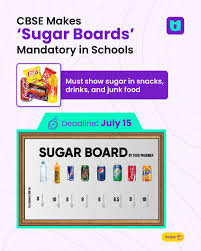
“Sugar Boards” are now used to teach kids about the risks of too much sugar. Revant’s goal is to make health literacy a part of every school’s curriculum, just like math or science.

Food Pharmer 2.0: From Awareness to Action

Revant isn’t just pointing out problems—he’s offering solutions. In 2025, he launched his own brand, Only What’s Needed (OWN), to create clean-label foods with simple, healthy ingredients. His first product, whey protein, was co-created with input from his followers, ensuring it’s free of unnecessary additives. He’s also introduced a “Food Pharmer Approved” certification to highlight authentic, healthy products, from packaged foods to restaurants.

Unlike most companies that spend heavily on ads, Revant cuts marketing costs to keep his products affordable. His dream is to build the world’s most transparent food company, where every ingredient is clearly explained, and consumers can trust what they’re buying.

Challenges and Courage

Revant’s journey hasn’t been easy. He’s faced multiple lawsuits from big food companies trying to silence him. After his viral video, one company forced him to take it down and issue an apology, but the public’s support kept him going. He’s also dealt with personal struggles, like burning through his savings and facing family pressure to get a “proper job.” Despite this, Revant remains committed, saying, “I’m fine making mistakes, but I don’t want to regret not trying hard enough.”

Why Food Pharmer Matters

Revant’s work is a wake-up call for all of us. In a world where packaged foods dominate our diets, his message is clear: don’t trust the front of the pack—read the back. His humor and relatable style make complex nutrition facts easy to understand, empowering us to make better choices. He’s not just an influencer; he’s a changemaker who’s inspiring a healthier future.

Other Indian Consumer Advocates

Revant isn’t alone in standing up for Indian consumers. Here are a few others making a difference:


  • Pushpa Girimaji: A veteran consumer rights journalist who has been writing about consumer issues for decades, helping people understand their rights and fight unfair practices.

  • Bejon Misra: Founder of the Consumer Voice Foundation, he works to protect consumers from unsafe products and misleading ads through advocacy and awareness.

  • Nidhi Khare: As a senior official in the Consumer Affairs Ministry, she pushes for stronger regulations to ensure fair practices in the food and beverage industry.

Revant Himatsingka, the Food Pharmer, is proof that one person can make a big impact. By exposing the truth about packaged foods and starting a movement for health literacy, he’s helping us take control of our health. His courage to stand up to powerful companies and his commitment to offering healthier alternatives make him a true hero for our times. So, next time you pick up a snack, remember Revant’s advice: read the label, know what’s inside, and choose wisely.

Would you do? 

Karthik

5/6/25 930am. 

Tuesday, June 03, 2025

What If Moments: Reflections on Missed Chances....

 #667

Aigaa:- I thought I lost it(Print those days!- Funny,I had taken a snap of print, found it now!).

WTC View from New Jersey Side. 

Life is full of "what if" moments—those fleeting decisions that, in hindsight, carry a weight we couldn’t have imagined at the time. On May 11, 2001, I stood in front of the iconic World Trade Center towers in New York City, their towering presence dominating the skyline behind me. I was with my cousin, a New York/New Jersey resident, who knew the city like the back of his hand. It was nearing lunchtime, and he suggested we grab a bite instead of heading up to the WTC’s observation deck for a panoramic view of NYC.

The decision seemed so small then. We ate, laughed, and afterward, chose to visit the Empire State Building instead. My cousin assured me, “We’ll make it to the WTC on your next visit.” But that next visit never came. Just four months later, on September 11, the towers were gone, and with them, the chance to stand atop them and take in the city from that vantage point. In the years since, I’ve returned to NYC several times, but I’ve never found the time to visit the new One WTC tower that now stands in its place. Maybe one day I’ll complete that visit—but for now, it remains a haunting “what if.”

Another moment that lingers in my mind takes me to Lahore, a city I’ve visited multiple times. I was unaware, until much later, that Bhagat Singh, the revolutionary freedom fighter, was hanged there in 1931 at Lahore Prison. I never made it to see the site, a place of such historical significance. Now, with the complexities of travel and time, visiting feels like a tough task. What if I had known earlier? What if I had made the effort to go? These missed opportunities weigh on me, not with regret, but with a quiet reflection on how life’s choices unfold.

These “what if” moments remind me how fragile and unpredictable life can be. A simple choice to eat lunch instead of ascending the WTC, or a lack of awareness about a historical site in Lahore, became defining memories—not for what I did, but for what I didn’t. They’re a reminder to seize the day, to be present, and to seek out the experiences that matter. Maybe one day I’ll stand at One WTC, or find a way to visit Lahore Prison, and complete these unfinished chapters. Until then, I hold onto the lessons they’ve taught me about life’s fleeting chances.

What are your missed "What IF"!!! 

Karthik.

3rd June 2025 1130am. 

Monday, June 02, 2025

Trump's Tightrope: Navigating Global Chaos and Domestic Demands. Shun "TACO" Label.

 #666

Omen (666) SATAN !!! 

Donald Trump’s return to the White House has thrust him into a geopolitical maelstrom, with his cabinet and advisors pulling him in conflicting directions on foreign policy while domestic challenges demand his attention. From Ukraine to Iran, Israel to the Houthi rebels, and the delicate dance with Russia and China, Trump faces a conundrum: how to assert a clear, America-first agenda without being ensnared by the military-industrial complex or domestic political traps. For an international audience watching closely, here’s a look at the complexities Trump must navigate and the bold path he could carve to shed the lingering “TACO” (Trump Always Chickens Out) label.

The Global Tug-of-War

Ukraine: Not America’s Fight

Trump has made it clear that Ukraine’s conflict is not his war. Stepping back from this quagmire is a priority, as he sees little benefit in pouring American resources into a European-led issue. However, the war lobby in Washington—backed by influential figures like Senators Lindsey Graham and others—poses a real threat. With 81 senators reportedly swayed by defense contractors, the specter of impeachment looms if Trump moves too swiftly to disengage. For Trump, the solution lies in a clear exit strategy: reduce aid, push for negotiations, and let Europe shoulder the burden. This stance resonates with his base, who see Ukraine as a drain on American taxpayers, but it risks alienating NATO allies already skeptical of his commitment.


Iran: A Russian Guarantee

On Iran, Trump faces pressure to curb its nuclear ambitions without escalating into another costly Middle East conflict. His cabinet is split, with hawks pushing for confrontation and pragmatists urging diplomacy. A potential solution? Enlist Russia as a guarantor to ensure Iran halts nuclear processing. This move would leverage Russia’s regional influence, reduce U.S. military involvement, and signal Trump’s preference for deal-making over saber-rattling. For the international community, this could stabilize the region, though it risks backlash from Israel and Saudi Arabia, who view Iran as an existential threat.

Israel: A Hands-Off Approach

Trump’s stance on Israel is unequivocal: let them handle Gaza as they see fit. By declaring it “none of America’s business,” he aims to extricate the U.S. from the Israeli-Palestinian conflict’s endless cycle of mediation and criticism. This hands-off policy aligns with his desire to avoid foreign entanglements but could strain relations with allies expecting U.S. diplomatic leadership. Globally, this move may be seen as a retreat from moral responsibility or a pragmatic focus on domestic priorities, depending on the audience.

Houthi Rebels: A Low Priority

The Houthi rebels in Yemen, while a thorn in global shipping lanes, are unlikely to dominate Trump’s agenda. His advisors may push for limited strikes to secure trade routes, but Trump’s instinct is to avoid another Middle East quagmire. Expect minimal U.S. involvement, with Saudi Arabia and regional powers taking the lead—a signal to the world that America’s military will not be the default solution to every crisis.

Russia and China: Trade Over Tensions

Trump’s vision for Russia and China centers on building trade and peace, not confrontation. He sees economic cooperation as a path to stability, a stark contrast to the military-industrial complex’s preference for perpetual rivalry. By assembling a trusted National Security Advisor team, Trump could pursue pragmatic deals—perhaps easing sanctions on Russia in exchange for security guarantees or negotiating tariffs with China to level the trade playing field. This approach could reshape global perceptions of the U.S. as a dealmaker, not a warmonger, but it risks pushback from hawkish advisors and a Congress beholden to defense interests.

The EU: Ending the Free Ride

For 70 years, Trump argues, the European Union has benefited from American largesse—technology transfers, defense spending via NATO, and more—while building welfare states with the savings. His refusal to continue this “free ride” signals a seismic shift. By demanding Europe pay its fair share, Trump aims to redirect resources to domestic priorities. Internationally, this stance may strain transatlantic ties but resonate with audiences frustrated by perceived inequities in global alliances.

China Tariffs: A Double-Edged Sword

Trump’s push for tariffs on China aims to protect American industries but risks retaliation that could harm global trade. His challenge is to balance economic nationalism with the reality of interconnected markets. A clear strategy—targeted tariffs coupled with negotiations—could mitigate blowback while signaling strength to both domestic and international audiences.

The Domestic Imperative

While global issues tug at Trump, his heart lies in domestic reform. He aims to tackle taxes, immigration, and the abolition of birthright citizenship, which he sees as a magnet for illegal immigration. Cracking down on “left-wing lunatic universities” accused of fostering anti-American sentiment is another priority, reflecting his belief that cultural and educational institutions must align with national interests. These issues resonate with his base, who see them as long-overdue corrections to a drifting nation.


Escaping the “TACO” Label

The “Trump Always Chickens Out” tag, whispered by critics, stems from perceptions of indecision or retreat on tough issues. To erase it, Trump must project clarity and strength. By delivering concrete messages—exiting Ukraine swiftly, securing Russia’s role in Iran, giving Israel autonomy, and prioritizing trade with Russia and China—he can redefine his presidency as decisive and pragmatic. Domestically, bold moves on taxes, immigration, and universities will reinforce this image.

A Path Forward

Trump’s conundrum is daunting but navigable. By assembling a trusted advisory team, rejecting the military-industrial complex’s war-driven agenda, and focusing on America-first policies, he can chart a course that avoids global chaos while addressing domestic demands. For the international community, this approach signals a U.S. that prioritizes its own interests but remains open to pragmatic partnerships. The world watches as Trump walks this tightrope—will he balance the pressures or succumb to the pull of entrenched interests? Only time will tell, but a clear, resolute strategy is his best bet to silence doubters and lead with conviction.

Karthik

2nd June 2025

10am. 

Sunday, June 01, 2025

55 Years, One Night: Lessons from PSG’s Historic Champions League Triumph........

 #665


What a news to wake up to a Sunday and a new Month. 5-0 was beyond my wildest imagination. My Inbox was flooded with messages from friends who were in different time zones, to update me at 430am. (90 min after waking up, I open my Mac). 

++++++

Sometimes, a team wins. But on rare nights, a club rewrites its destiny.

On a stunning European night, Paris Saint-Germain (PSG) demolished Inter Milan 5-0 to lift their first UEFA Champions League trophy in 55 years. By half-time, it was already 2-0. By the end, the last two goals felt like Inter had run out of breath, willpower, and belief. PSG didn’t just win—they overwhelmed.

While fans rejoice and history books get updated, I see something deeper in this moment. For over five decades, PSG chased this elusive prize with stars, strategies, and money. (Qatar/ Qatar Airways their sponsors) But this year, something clicked. The lessons from this historic run go far beyond football. They are universal.

Let’s unpack them.


1. Star Power ≠ Star Results

PSG once assembled a glittering galaxy—Messi, Neymar, MbappĂ©, and others—yet the Champions League kept slipping away. Lavish spending bought fame, not fulfilment. This year’s winning squad looked less flashy on paper—but functioned like a team, not a talent show.

Lesson: In life and work, throwing money or picking superstars doesn’t guarantee results. ( I wrote about this in my blog yesterday) Alignment, hunger, and humility matter more than celebrity.


2. Desperation Can Be a Spark

This PSG side was nearly eliminated in the group stage. At one point, they needed a miracle. That near-exit forced a reckoning. They recalibrated, regrouped, and returned with fury.

Lesson: Adversity can awaken dormant fire. When survival is at stake, people find reserves they didn’t know they had. That’s when transformation begins.

We’ve all had moments when life corners us—emotionally, professionally, or physically. Flight or fight. PSG chose to fight.


3. Mental Toughness is the Game Changer

Even before the final whistle, the odds were finely balanced—44% in PSG’s favour. But they didn’t play like it. They played like destiny was theirs. That belief was evident in every pass, press, and play.

Lesson: Confidence under pressure is not arrogance. It’s preparation meeting purpose. When you truly believe in your mission, you don’t just show up—you rise.


4. When the Tide Turns, Go for the Kill

5-0 is likely the widest winning margin in Champions League final history. PSG didn’t settle at 2-0. They smelled blood, pushed harder, and wrote a statement win.

Lesson: When momentum is on your side, don’t slow down out of courtesy or caution. Use that tailwind to set records, define new standards, and make history hard to ignore.

Winners don’t stop at “good enough.” They stretch the gap so wide that it's hard to bridge.


5. Leadership from the Sidelines Matters

Luis Enrique—World Cup winner, Champions League winner, a seasoned tactician—(2023) brought a calm, composed edge to this squad. His presence was not dramatic, but decisive. Players followed a system, a belief, and a philosophy.

Lesson: A good mentor or coach doesn’t play the game for you. But their presence lifts your ceiling. Whether in business, family, or personal pursuits, choose mentors who’ve walked the path. Their wisdom shortens your learning curve.


6. Success Breeds Success

This win is more than a trophy. It’s a belief reset for the club. The mental blueprint of winning—how it feels, what it demands, what it creates—now lives in the DNA of PSG. This victory will birth more.

Lesson: The hardest win is the first. After that, the mindset shifts. Winners attract winners. A successful outcome creates new standards of expectation—both inside and outside.


7. Playing as a Team, Not Just for the Team 

The on-field chemistry was unmistakable. PSG looked like a team of eleven playing with each other, not just for the club. That cohesion isn’t accidental—it’s the result of shared pain, clear roles, and mutual respect.

Lesson: Great results emerge not from individual brilliance alone, but from trust, coordination, and shared ambition. Build systems, not stars.


8. Rewrite Your Script—Even After 50+ Years

For PSG, this wasn’t just a win—it was a release. A club long branded as flashy but flaky finally rewrote its story. A team mocked for buying greatness earned it instead.

Lesson: It’s never too late to change your label. Whether at 60 or after 55 years, your history doesn’t define your future. One breakthrough can redeem decades of waiting.


In Closing:
PSG’s victory wasn’t just football—it was theatre, psychology, and human spirit on display. From near-elimination to undisputed domination, they proved what’s possible when belief, leadership, and hunger align.

So next time you feel you’ve waited too long, lost too often, or spent too much—remember PSG. It’s never too late for your moment.

Karthik

1st June 2025

830am. 

Interesting, Paris is one Big City, I have not set foot yet, (Never wanted to, I avoid "CDG" & prefer Basle/ Luxoumberg to land in to France) May be time to go (Put aside 1994 visa Rejection ahhahhah!!) 

Last time I saw Champions league final was when Drogba took the last kick for Chelsea in Penalties, for a 4-3 win. Son a Die Hard Chelsea Fan..!!! 13 years flew!!! (He was getting ready to go to College, then I guess!) It was also "MUNICH"..! 


Saturday, May 31, 2025

The Power of the Pack: When Big Names Don’t Guarantee Big Wins

 #664

Interesting Anecdote:- I use to follow BBC Saturday Sports Special for tracking sports/ Football. (1975) and they used to pronounce "PAARISSHAANJAMAANH". (In one breath!) Took me good 2 years, (1977 IX grade) to infer they reffered to "Paris-St-Germain", the team that is appearing in tonight's final. The Indian newspaper never covered it. (Now also the horror is same, not that, I touch news paper- so no idea!).  Still miss BBC radio, Paddy Feeny- Saturday sports Special, 732pm to 11pm. The connections were so near/personal, despite being sure we will never see or reach out to them! World was very different then! 

Paddy Feeny (1931-2018).. 

____________


It’s the final night of the European Champions League. Two clubs—Paris Saint-Germain and Inter Milan—square off in Munich. Neither has a Messi, a Neymar, Embape, nor even the aura of a Cristiano Ronaldo. What they do have, however, is grit, discipline, and teamwork—those often overlooked ingredients that quietly carry you to the summit. For years, (55 to be precise) PSG banked on star power to deliver glory. With names like Messi and Neymar gracing their roster, expectations soared. But trophies? Not quite. 0. Now, without the marquee names, they’ve reached the finals. That alone says something.

This pattern isn’t confined to football. Consider cricket’s most understated giant—New Zealand. No one screams superstardom there. Yet this small island nation has consistently punched above its weight. They’ve won the World Test Championship and came heartbreakingly close to lifting the One Day World Cup. There’s something almost poetic about their style: quiet execution, shared responsibility, and zero ego. It’s a masterclass in collective over celebrity. This raises an uncomfortable but essential question—are big names becoming a hindrance to peak performance?

Star power can undoubtedly inspire. The aura of a Steve Jobs or a Sachin Tendulkar can energise an organisation or a nation. But it can also cast shadows, breed dependencies, and create performance asymmetries. (Apple is struggling, as is Indian Cricket!) When the focus tilts towards the individual, the system often erodes in silence. The rest of the team stops thinking for themselves. The hero complex begins to override collective accountability. Leadership, then, becomes a bottleneck rather than an enabler.

In organisations, we often wait for a visionary to emerge before we believe success is possible. But must we? Most companies don’t have a George Lucas or a Sundar Pichai. Yet many succeed—not by chasing unicorns, but by aligning the talents of many toward a shared mission. Sometimes, it is the culture that breeds leaders, not the other way around. It’s a sobering reminder: greatness isn't always born, it’s cultivated. And often, it’s invisible until the system demands it.

This brings me to a deeper reflection: does leadership drive success, or does collective success crown someone as a leader? I suspect the truth lies somewhere in between. A good leader certainly uplifts. But a good system allows multiple people to lead in different moments. Leadership, then, becomes more fluid—a rotating role, not a fixed identity. That’s when true potential is unlocked. Not when one person performs magic, but when magic becomes routine across the group.

As we watch tonight’s final unfold, perhaps there’s a lesson waiting beyond the scoreboard. Star-studded line-ups may draw the crowds, but it’s the no-name grinders who often get the job done. Organisations, sports teams, even families—any human system—work best when each part performs without waiting for applause. The real MVP? The system that makes leadership unnecessary because excellence is distributed, not centralised.

Karthik

31/5/25 (Boy! 5 months of the year gone- Summer is over, I guess!).

9am. 


Thursday, May 29, 2025

When Gen Z Rattles the Unrattlable: Lessons for Indians from Jordan Peterson’s Clash.

 #663

The Canadian Philosopher/ Doctor/ etc. etc. (Champion for Conservative folks like me!)........

Jordan Peterson, I have read his books, never miss his podcast on all topics under the sun. 

My Podcast list - (not exhaustive.)


Picture Jordan Peterson, the Canadian professor who’s faced fiery feminists and smug journalists without flinching, getting shaken by a Gen Z kid. I caught wind of this spicy moment on Patrick Bet-David’s (PBD) (Valuetainment) podcast, where they talked about a Jubilee debate called “Can Atheists & Christians Debate Without Fighting?” (check it out on YouTube). In it, a young atheist—likely Alex O’Connor, a Gen Z logic machine—grilled Peterson on Christian values,
hitting him with a moral zinger: would you lie to a Nazi to save a Jewish person hiding in your house? Peterson, the guy who preaches “truth above all,” got visibly ruffled. If he can lose his cool, what hope do we regular folks in India— be it an IT managers in Bengaluru, parents in Delhi, HR Managers in Baroda, or lecturers in Mumbai—have when sparring with our own Gen Z firebrands?

As an Indian juggling our mix of family traditions, I know Gen Z (born roughly 1997–2012) can turn a simple chat into a verbal kabaddi match. Whether it’s your junior at a startup questioning your “old-school” code, or your niece arguing “rules are flexible” over family dinner, their bold, digital-native vibe can leave you stumped. So, let’s unpack Peterson’s clash and see what it teaches us about handling Gen Z in India’s workplaces and homes.

The Peterson Showdown: A Gen Z Takedown


If your relative has Peterson’s YouTube clips on repeat, you know he’s the guru of “stand tall, speak truth,” often tying it to Christian values. But in Jubilee’s “Middle Ground” debate, (YouTube) a Gen Z atheist (think sharp, skeptical, and meme-savvy) threw Peterson a curveball.
The question: if you’re hiding a Jewish person in 1940s Germany, would you lie to a Nazi to save them? It’s a trap. Peterson’s all about truth, but saying “I’d tell the truth” risks sounding cold, while admitting he’d lie undermines his core philosophy. The kid pushed further, questioning if Christian values hold up today. And Peterson? He didn’t just counter calmly—he got heated, his usual cool cracking under the pressure.

Why? Gen Z debaters like O’Connor don’t just argue; they perform. Raised on X threads and YouTube takedowns, they mix razor-sharp logic with sarcasm and a “prove it” vibe. In India, we see this when your Gen Z intern in Pune WhatsApps, “Why this process, boss?” with a cheeky emoji, or your nephew in Kolkata counters your “respect elders” rule with a viral X post. Peterson’s stumble shows even the sharpest minds can trip when Gen Z’s direct, skeptical style hits a nerve.

Why Gen Z Feels Like a Swiggy Order Gone Wrong

Gen Z isn’t just younger—they’re a different breed. They grew up with Jio’s / Airtel's cheap data, binge-watching Hotstar, and roasting trolls on X. Here’s why they’re tough to handle, whether you’re in a Gurugram office or a Ahmedabad family:

  • Blunt as a Madras Auto Driver & Maid: Gen Z doesn’t sugarcoat. If they think your idea’s off, they’ll say it—like a Zomato review trashing your biryani. Peterson’s debater didn’t bow to his fame; he went for the jugular, questioning truth’s limits.

  • Outcomes Over Rules: That Nazi hypothetical? Gen Z might say, “Lie to save a life, duh.” In India, this shows up when your Gen Z cousin says it’s fine to “adjust” a deadline for better results, clashing with your “rules are sacred” mindset.

  • Digital Ninjas: Fluent in memes and Insta stories, they’re quick and skeptical of authority. Imagine Peterson facing a kid who’s seen every “Peterson owned” clip online, ready with a witty zinger.

This chart nails the gap:

Gen Z’s low on formality, high on directness—that’s why they can rattle even a pro like Peterson.

How to Survive Gen Z in India: Tips That Work

So, how do we handle Gen Z without pulling a Peterson meltdown? Whether you’re leading a team at Infosys, or a manufacturing site Head, teaching at IIM, or getting your Gen Z kid to stop scrolling at Diwali, try these:

  1. Stay Curious, Not Angry: When your Gen Z colleague says, “This plan’s pointless,” don’t snap. Ask, “What’s a better way?” It turns a clash into a chat. Peterson could’ve asked, “How would you handle the Nazi question?” to keep things cool.

  2. Find Shared Goals: Gen Z cares about impact. If your teen argues about honesty, agree that protecting people matters, then explain why truth builds trust. Peterson might’ve connected by acknowledging the moral complexity before defending his view.

  3. Pause Before You Pop Off: Peterson got ruffled because the challenge felt personal. When your Gen Z intern questions your pitch, take a breath. Say, “Let’s break this down together.” It keeps you calm and shows maturity.

  4. Speak Their Language: You don’t need to make Instagram Reels, but know their world. If your Gen Z team mentions “FOMO” (Fear of Missing Out) or a viral X trend, ask about it. It’s like learning enough Tamil to vibe with your Madras team—small effort, big win.

Hope for India: Gen Z as Partners, Not Problems

Peterson’s (He is 62, I am 61) stumble isn’t a sign we’re doomed—it’s a wake-up call. In India, where tradition meets tech faster; Gen Z’s energy is a goldmine. Their bluntness can spark innovation in our engagement/ interactions. Their outcome-driven mindset can push us to rethink rigid systems, like office hierarchies in Bengaluru / Bellary. And their digital skills? That’s your edge to stay relevant, whether you’re a teacher or a marketer or a Warehouse Manager. 

Think of it like old time movies of 1980s: the older hero (you) and the young rebel (Gen Z) clash but end up stronger together. Peterson’s still got millions of Gen Z fans, as Valuetainment noted, because he listens (even when flustered). You can too. Next time your Gen Z colleague or kid challenges you, see it as a spark for growth, not for a fight. 2025 is their time, our's is almost done and dusted, ACCEPT IT.

What’s your Gen Z story? Ever faced a moment that left you stumped? Share it in the comments—let’s crack this generational code together!

Karthik

29/5/25. 1pm. 

Sunday, May 25, 2025

A Boomer’s Take on Generational Gains and Grievances!!!

 #662


Fresh off a business trip to Bombay, I’ve been mulling over serious discussion with my son about us "Baby Boomers—those born between 1950 and 1965". He argues we had it easy, riding the wave of a booming global economy in the ‘80s and ‘90s, where “even a blind night watchman” could land a job, as he put it. He claims we milked the system during the peak of America’s and the Western world’s growth, fueled by globalization, liberalization, and privatization under leaders like Bill Clinton and Narasimha Rao. Money, he says, practically grew on trees until 9/11 shook things up. His charge? We Boomers reaped the rewards of a thriving world, yet now, as conservatives, we oppose the very principles— Globalisation, diversity, equity, inclusion, immigration, affirmative action, Birth right citizenship, and sustainability—that enabled our success, aligning instead fully with policies like Trump’s crackdowns on migration and university overreach and cutting funds to everything for which America stood for the world and its development. 


There’s some truth to his view. The ‘80s and ‘90s were a golden era for many Boomers. Globalization opened markets, creating opportunities we seized—whether in tech, finance, or manufacturing. In India, Rao’s reforms unleashed economic potential, and in the U.S., Clinton’s policies rode a tech-driven boom. Jobs were plentiful, and for skilled Boomers, the path to stability was smoother than today’s gig economy. We didn’t face the same cutthroat competition or student debt burdens as Gen Y or Z. Our pensions and benefits, built on that growth, now strain younger generations, especially with declining fertility rates meaning fewer workers to support retirees like me come 2028. My son’s frustration—that we benefited from an open, progressive world but now resist similar openness—has a point when you look at the numbers: U.S. GDP grew 3.5% annually in the ‘90s, compared to 2% in the 2010s, and immigration fueled much of that earlier growth we now critique.

Stephen MIller, Trump Policy Advisor. All Migrants/students/ fear him more than DJT! He holds the view that, migrant from III world- will make America- a III world country. I agree and I hold this is true in any context in even within a country. 

But his critique feels one-sided. Boomers didn’t just coast; we worked hard in a world with its own challenges. The Cold War’s shadow, stagflation in the ‘70s, and the uncertainty of early globalization weren’t exactly a cakewalk. Post-9/11 and the 2008 financial crisis tested our resilience—many of us reinvented careers or weathered layoffs, furloughs, without the safety nets younger generations demand. Younger generation like my son,sees our conservatism as hypocrisy, but it’s rooted in experience: we value stability because we’ve seen systems collapse. Skills, not just performance, mattered because they were our currency in a less credential-obsessed world. Our skepticism of “woke” policies or unchecked immigration isn’t blind rejection but a belief that merit and cohesion should still count. For instance, 63% of Americans in a 2023 Pew poll supported stricter immigration policies, reflecting concerns about economic strain, not just Boomer bias.

The charge of “milking the system” stings, though. Yes, we benefited from a unique economic window, but we also built much of the infrastructure—tech, healthcare, global trade—that Gen Y and Z inherit. My son’s generation, born in the ‘90s, leans liberal, championing DEI and sustainability, but they overlook how our hands-on grit laid the groundwork. In Bombay, I saw India’s business scene thriving, built on reforms we Boomers cheered in the ‘90s. Yet, I get his point: our resistance to affirmative action or mass immigration can seem like pulling up the ladder. But it’s less about denying others and more about preserving what worked—merit-driven systems that rewarded effort over identity.

The pension issue is a real sticking point. With global fertility rates dropping—1.6 in the U.S., 1.4 in India by 2023—fewer workers will fund our retirements. Many younger men, sees this as Boomers burdening the young, and they are not wrong; Social Security’s trust fund is projected to hit zero by 2035 without reforms. But we’re not sitting idle. Many Boomers, myself included, plan to work past 65, using skills honed over decades to stay self-reliant. In Bombay, I met retired professionals consulting for startups as well as consulting in manufacturing, proving we’re not just leaning on welfare. Our resilience, forged in crises, means we’re not the entitled leeches he paints us as.

Still, I wonder if we’re missing each other’s context. Gen Y faces stagnant wages and housing costs we never grappled with—U.S. home prices have risen 300% since 1990, while wages grew only 100%. Their push for DEI and sustainability reflects a world of scarce resources and social fractures we didn’t face at their age. Maybe our conservatism is less hypocrisy and more caution, but it can come off as gatekeeping. Meanwhile, their idealism, while noble, sometimes ignores the practical trade-offs we’ve navigated. Both sides have blind spots: we Boomers might cling too tightly to old systems, while Gen Y risks overcorrecting for inclusivity at the cost of cohesion.

Reflecting on this in Bombay’s bustling streets, I see a city that’s both a Boomer success story and a Gen Y battleground. The economic liberalization we championed built those skyscrapers, but the youth navigating their shadows face new hurdles. My son’s critique isn’t entirely fair, but it’s not baseless. We Boomers must own our advantages while showing we’re still in the game, not just defending our slice. And maybe he could see that our “conservative” stance isn’t about hoarding but about preserving what we know can work. Here’s to hoping our next chat finds more common ground.

What do you think? What are your thoughts? Which generation you belong to?

Karthik. 

25/5/25. 

Friday, May 16, 2025

The Power of Will—and What Comes Next......

 #661 (Long post) 

Introduction: A Spark of Willpower

Thirty-five + years ago, I made a decision that changed my life in a matter of minutes: I quit smoking in minutes, end of the story. No patches, no gradual tapering—just a firm resolve to stop. It wasn’t easy, but that moment of willpower felt like a superpower. Similarly, for years, I’ve woken up at 3 a.m. to start my day, not because it’s fun, but because I decided it’s who I am. These aren’t just anecdotes; they’re evidence of a trait I’ve come to see as essential: willpower.

Life is a whirlwind of changes, uncertainties, and adversities. Willpower is often the rudder that helps us steer through the storm—whether it’s changing course, staying grounded, or making tough, practical decisions. But is willpower the ultimate key to a complete life, or is there more to the story? This question hit me this morning while reading the Economist’s latest Banyan column, which described how Indian TV channels have been whipping viewers into a frenzy over recent military escalations. As someone who hasn’t watched TV—not even news, sports, or live broadcasts—for 12 years, I felt a quiet pride in my ability to opt out. It resonated with my sense of willpower. Yet, I’ve also been hearing a counterargument: forming habits, not relying on willpower, is the real secret to staying on course. So, let’s dive deep into willpower—its strengths, its limits, and what else we need to live intentionally.

The Case for Willpower: A Force of Transformation

Willpower is the ability to make conscious decisions and stick to them, even when it’s hard. It’s the mental muscle that powers us through moments of temptation, fear, or inertia. Psychologists like Roy Baumeister describe it as a finite resource, akin to energy in a battery, which we can deplete but also strengthen with practice. For me, willpower has been a game-changer in several ways:

  • Overcoming Adversity: Quitting smoking 35 years (1989) ago wasn’t just about saying no to a cigarette; it was about reclaiming control over my health and future. (I wonder If Lalitha would have said yes, a year later if I was a smoker !!) That single act of will rippled into other areas of my life, proving I could tackle big challenges.

  • Navigating Uncertainty: Life’s unpredictability demands quick, decisive action. Whether it’s choosing to avoid the sensationalism of TV news or sticking to a 3 a.m. wake-up routine, willpower helps me align my actions with my values.

  • Building Identity: Willpower shapes who we are. My decision to ditch TV for 12 years wasn’t just about avoiding noise; it was a deliberate choice to prioritize clarity and focus. Each act of will reinforces the person I want to be.

The Economist’s Banyan column highlighted how Indian TV channels have been sensationalizing military escalations, pulling viewers into a cycle of emotional manipulation. Resisting that pull takes willpower—a conscious choice to step away from the “jolly ride” of sensationalism and seek truth elsewhere (like reading the Economist instead! - or whatever!! ). In a world designed to hijack our attention, willpower is a shield, letting us choose what deserves our focus.

The Limits of Willpower: When It’s Not Enough

But willpower isn’t a magic bullet. Relying on it alone can be like trying to sprint a marathon. Research, like Baumeister’s work on ego depletion, shows that willpower wanes under stress, fatigue, or decision overload. If I had to summon the same grit every day to avoid smoking or wake up at 3 a.m., I’d burn out. This is where the critics of willpower have a point: it’s not always sustainable.

I’ve noticed this in my own life. While quitting smoking was a dramatic act of will, staying smoke-free for decades wasn’t about white-knuckling it every day. It became second nature—a new normal. Similarly, my TV-free lifestyle isn’t a daily battle; it’s just how I live now. This shift from willpower to automaticity raises a question: if willpower gets us started, what keeps us going?


Habits: The Unsung Heroes of Consistency

Enter habits—the quiet, powerful force that takes over when willpower fades. Habits are behaviors we perform automatically, with minimal conscious effort. It is the interesection of Knowledge, Desire, Skills.  As Charles Duhigg explains in The Power of Habit, habits follow a loop: cue, routine, reward. Over time, these loops become wired into our brains, making actions feel effortless. I was struck by this idea when I heard psychologist Wendy Wood on a podcast a few years back, discussing her book Good Habits, Bad Habits. Wood argues that willpower is overrated because it’s effortful and unreliable, especially under stress. Instead, she says, habits drive about 40% of our daily actions. By shaping our environment—like keeping cigarettes out of reach or curating a newsstand instead of a TV—we make good behaviors automatic. My smoking cessation and TV-free life are perfect examples: what started as willful acts became habits, wired into my identity through years of repetition.

For example, my 3 a.m. wake-up started as a willful act, but now it’s a habit. The cue (my mental alarm like Jack Reacher's), routine (getting out of bed after thanksgiving prayer to be alive), and reward (a quiet, productive morning until 5am) are so ingrained that I rarely need to “decide” to do it. Similarly, avoiding TV isn’t a daily struggle; it’s a lifestyle shaped by years of consistent choices. Habits are like autopilot, keeping us on course without draining our mental battery.

The debate about willpower versus habits isn’t really a contest—both are essential, but they serve different roles:

  • Willpower is the spark that ignites change, like deciding to quit smoking or skip TV news.

  • Habits are the engine that sustains change, turning one-time decisions into second nature.

To build habits that stick, research like Wood’s suggests a few strategies:

  • Start Small: James Clear, author of Atomic Habits, recommends tiny changes, like reading one page a day, to build momentum.

  • Stack Habits: Pair a new habit with an existing one. For instance, I meditate right after my 3 a.m. black coffee (with Cinamon sprinkled), leveraging the morning routine as a cue. 90 Minutes flies..!! (Flow as they call!). Same is with my 20,000+ steps a day, thanks to 10s of American / British Podcasts.!! (Indian??? ahhaaaaaa Sorry, No way!). 

  • Focus on Identity: Instead of aiming to “exercise more,” adopt the identity of “someone who moves daily.” My TV-free life works because I see myself as someone who values clarity over noise.


Willpower and Habits in Harmony

The interplay between willpower and habits is where the magic happens. Willpower gets you through the door; habits keep you in the room. My smoking cessation began with a burst of will, but it was the habit of living smoke-free that made it permanent. My TV-free streak started with a conscious rejection of sensationalism, but it’s the habit of seeking out thoughtful sources (like the Economist, WSJ, FT, Breitbart) that keeps me grounded.

This synergy is critical because life isn’t static. New challenges—like the media frenzy described in the Banyan column—require fresh acts of willpower to resist or adapt. But once you’ve made a choice, habits can lock it in. For instance, if you decide to avoid sensational news, you might use willpower to mute TV channels initially, but over time, curating a habit of reading reliable sources becomes second nature.

Is Willpower Overrated?

So, is willpower a positive trait or not a big deal? It’s both. Willpower is a vital tool for initiating change and navigating life’s uncertainties, as my own experiences show. Without it, I wouldn’t have quit smoking, built a 3 a.m. routine, or resisted the pull of TV for 12 years. It’s a cornerstone of personal growth and resilience.

But it’s not the whole story. Over-relying on willpower is like expecting a single muscle to carry you through life—it’ll tire out. Habits, systems, and identity-based thinking are what make change sustainable. Wendy Wood’s research drives this home: by designing our environments and routines, we reduce the need for willpower. The recent chatter I’ve heard about habits being more critical than willpower isn’t wrong; it’s just half the equation. Willpower and habits are partners, not rivals.

Conclusion: Crafting a Life of Intention

As I reflect on my journey—I see willpower as the spark that lit the fire and habits as the fuel that keeps it burning. For anyone looking to navigate change or build a meaningful life, my advice is simple: lean on willpower to start, but don’t stop there. Build habits that make your choices second nature. See yourself as the person you want to be, whether it’s someone who lives smoke-free, wakes up early, or seeks truth over noise. Together, willpower and habits don’t just help you stay on course—they help you become the person you’re meant to be.

What’s your story of willpower or habits? I’d love to hear how you’ve navigated life’s changes. For me, it’s an ongoing journey—one I’m proud to share through this blog.

Karthik

16/5/25 9am. 

Tuesday, May 13, 2025

The Secret to a Long, Healthy Life: Simple Steps to Longevity..

 #660


Have you ever wondered what it takes to live a long, vibrant life? We often think it’s all about genes or fate, but here’s the truth: it’s the small, everyday choices we make that shape our destiny. I recently heard a podcast episode, about a 98-year-old woman who’s outliving her family, not because of luck, but because of her disciplined lifestyle. Her parents passed away in their 60s, her son in his 50s, yet she’s still going strong. Her secret? A set of simple, repeatable habits: Eat well, move daily, sleep soundly, and keep your mind at peace. Inspired by her story and backed by science, let’s dive into the steps to longevity that we can all adopt, right here in India, to live healthier and longer.

1. Eat on Time, Eat with Purpose

The lady in the story swears by eating her meals on a fixed schedule, often sticking to a simple, repetitive menu. In India, we’re blessed with a rich food culture—think dal, sabzi, roti, and rice. But the key is consistency and quality. Eating at the same time every day regulates your body’s internal clock, improves digestion, and keeps your metabolism humming.

  • What to do: Plan your meals like you plan your day. Have breakfast by 9 AM, lunch by 1 PM, and dinner by 7 PM. Keep it light at night—maybe a bowl of khichdi or a veggie soup.

  • Avoid ultra-processed foods: Say no to packaged snacks, sugary drinks, and instant noodles. These are loaded with preservatives and bad fats that harm your heart and gut. Instead, reach for fresh fruits, homemade curd, or a handful of roasted chana. Recently, Lalitha made "Paneer" (Cottage Cheese) at home. Boy it was delicious(even raw) with pepper sprinkled on top. 

  • Indian twist: Incorporate traditional superfoods like turmeric, amla, or millets (ragi, jowar). A glass of haldi doodh before bed or a ragi dosa for breakfast can work wonders.

Science backs this up: Studies show that time-restricted eating and avoiding processed foods reduce the risk of diabetes and heart disease, which are major concerns in India.

2. Move Your Body, Keep the Engine Running

The 98-year-old walks or moves for at least 30 minutes a day. It’s not about hitting the gym or running marathons—it’s about staying active. In India, where many of us lead busy lives, squeezing in movement can feel tough, but it’s non-negotiable for longevity.

  • What to do: Walk briskly in your colony park, climb stairs, or do a quick yoga session at home. Surya Namaskar is a fantastic full-body workout that takes just 15 minutes.

  • For the busy bees: If you’re stuck at a desk, take a 5-minute walk every hour. Even sweeping the floor or gardening counts! 

  • Indian context: Join a local laughter club or dance to some Bollywood tunes. It’s fun, burns calories, and lifts your mood.

Research shows that 30 minutes of moderate activity daily lowers the risk of obesity, hypertension, and even depression. It keeps your joints flexible and your heart happy.

3. Sleep Like a Baby, Every Night

Seven hours of uninterrupted sleep, with no screens in the room—that’s the lady’s rule. In our fast-paced Indian households, sleep often takes a backseat to late-night Netflix or scrolling through Instagram. But sleep is when your body repairs itself, from your brain to your muscles.

  • What to do: Set a bedtime routine. Finish dinner by 7 PM, switch off screens by 8 PM, and aim to sleep by 10 PM. Keep your bedroom cool, dark and quiet. My routine- no screen after 6pm and Dinner at 6pm. Even Mobile phone is silent. Dear/ near people have Lalitha's #.  ( I wake up 3am! so no compromise). 

  • Indian hack: Sip a cup of warm milk with a pinch of nutmeg to relax. Or try a quick meditation session—focus on your breath for 5 minutes at a minimum. 

  • Why it matters: Poor sleep is linked to stress, weight gain, and even Alzheimer’s. A good night’s rest boosts immunity and keeps you sharp. Good sleep also cleans up brain and helps let go past thoughts. 

4. Clear Your Mind, Let Go of Worry

The old lady's mantra is to keep her mind unclogged and not sweat the small stuff. In India, where family pressures, work stress, and societal expectations can weigh us down, mental peace is a game-changer for longevity.

  • What to do: Practice mindfulness. Spend 10 minutes daily journaling your thoughts or simply sitting in silence. If you’re spiritual, chant a mantra or read a few verses. My Apple watch help me with this at 3am for a good 15 min (My Mood, Reflection and Breathing). I do my journal at 730pm, sitting in my bed. 

  • Let go: You can’t control everything—traffic, your boss’s mood, or your neighbor’s loud music. Focus on what’s in your hands and let the rest slide. 

  • Indian wisdom: Our culture teaches us “detachment” (vairagya). Apply it to stress—don’t let it stick to you like masala on a tawa.

Studies show that chronic stress raises cortisol levels, which can damage your heart and brain. A calm mind is a long-living mind.


5. Stay Connected, Build Your Tribe

Here’s an extra step the woman didn’t mention, but it’s crucial: social connections. India, we thrive on community—our families, neighbors, and chai-time chats. Loneliness is a silent killer, and staying connected keeps you young at heart.

  • What to do: Call up an old friend, visit your grandparents, or join a local hobby group. Even a quick chat with your sabziwala counts! (Social Wealth as Sahil Bloom calls it in his wonderful book, 5 types of Wealth). 

  • Indian vibe: Host a small get-together for Diwali etc. Share stories, laugh, and bond over homemade laddoos or biryani.

  • Science says: Strong social ties reduce the risk of depression and dementia. They also make you happier, which is half the battle won.

6. Stay Curious, Keep Learning

Another bonus step: never stop learning. Whether it’s picking up a new skill, reading a book, or trying a new recipe, keeping your brain active is key to longevity. In India, where we value knowledge, this is a habit we can all embrace.

  • What to do: Learn to play a tabla, try a new pickle recipe, or watch a documentary on YouTube. Even solving a daily crossword keeps your brain sharp.

  • Indian context: Dive into our rich heritage—read about Ayurveda / Philosophy, learn a few Sanskrit shlokas, or explore regional folk tales. Take an online courses and complete at your own pace. 

  • Why it works: Mental stimulation strengthens neural connections, lowering the risk of cognitive decline.

The Bottom Line: Small Steps, Big Results

The 98-year-old lady’s story teaches us that longevity isn’t about grand gestures or expensive supplements. It’s about mastering the basics: eating right, moving daily, sleeping well, staying calm, connecting with others, and keeping your mind active. These are things we can all do, whether you’re in a bustling Mumbai flat or a quiet village in Karnataka.

In India, we often say, “Jaisa khao ann, waisa hove mann” (As is the food you eat, so is your mind). Let’s extend that to our lifestyle. Take one small step today—maybe swap that cola for a nimbu pani or walk to the nearby temple. Over time, these habits will pave the way to a healthier, longer life.

So, folks what’s your first step going to be? Let’s commit to living long and strong, together!

Let me know.

Karthik.

13/5/25 9am. 

Sunday, May 11, 2025

Home-Cooked vs. Outside Food: A Vegetarian's Dilemma in Malleswaram

 #659

(Rep Image)

Yesterday, as I walked back from my pedicure, I noticed a new restaurant on Sampige Road, buzzing like a beehive at 3 PM. It’s the tenth such place or so to open within a 3-km radius, each capable of seating a hundred people. With Malleswaram’s ++ population of roughly half a million, even 10% of them dining out means feeding 50,000 mouths! It got me wondering: have we, as a community, abandoned our kitchens en masse for the allure of outside food?

The Rise of Eating Out

The restaurant boom isn’t just a local phenomenon. Urban India is dining out more than ever, driven by busier lifestyles, rising incomes, and the convenience of food delivery apps. In a vegetarian hub like Malleswaram, where dosas, idlis, and thalis are staples, eateries are catering to every taste and budget. But this shift comes with questions—about health, hygiene, cost, and the cultural value of home cooking.


Hygiene and Health Concerns

One of my biggest worries about outside food is hygiene. News of raids by authorities uncovering substandard ingredients or unhygienic kitchens isn’t rare. While some dismiss these as ploys for bribes or free meals, the risks are real. Vegetarian food, unlike non-vegetarian, can be harder to spot when it’s gone bad. Spoiled vegetables or dals can be masked with spices, reheated, and served without raising suspicion. Non-vegetarian food, due to its faster decay, is often discarded or noticed more readily—though both carry risks if mishandled.

Then there’s the oil. Many restaurants, especially budget ones, reuse vegetable oils multiple times, creating harmful compounds linked to heart disease and inflammation. High-quality oils like cold-pressed sesame or groundnut are pricier, and economics often dictate cheaper alternatives like palm or refined oils. At home, I control the oil, its freshness, and how it’s used—something no restaurant can guarantee.


The Cost of Convenience

Eating out isn’t just a health gamble; it’s a financial one. A decent vegetarian meal outside costs ₹150-₹300 per person. For a family of four, that’s ₹600-₹1200 per meal. Cooking at home, even with quality ingredients, is a fraction of that. Over a year, the savings add up—money that could fund a vacation or better groceries. Good food comes at a price, but home cooking lets you prioritize health without breaking the bank.

The Environmental Angle

There’s an environmental cost, too. Restaurants generate more waste—plastic packaging, food scraps, and energy-intensive operations. Home cooking, especially with locally sourced produce, cuts your carbon footprint. Buying from nearby markets or growing herbs at home (I’ve got tulsi and curry leaves on my balcony!) supports local farmers and reduces transport emissions.

The Joy of Home Cooking

Beyond health and savings, there’s an emotional richness to home-cooked food. Four years ago, Lalitha and I committed to cooking all our meals, and I wish I’d started sooner. There’s something meditative about chopping vegetables, stirring a sambar, or rolling chapatis or working the gujarati Kichaadi/Khadi. It’s not just food; it’s love, tradition, and control over what nourishes my body. My grandmother’s recipes, passed down through generations, taste better when I make them myself—no restaurant can replicate that.

The Case for Balance

I’m not saying never eat out. ( Though I avoid, 2025 our visits were just 1 with Children insisting that we eat out, we now avoid going out even on anniversaries) Restaurants are great for socializing, trying new cuisines, or giving yourself a break. A well-chosen eatery with transparent practices can be a treat. But relying on them daily or more frequently risks your health, wallet, and connection to your roots. Moderation is key—maybe reserve dining out for weekends or special occasions.

Conclusion

The restaurant boom in Malleswaram reflects changing times, but it’s worth pausing to weigh the trade-offs. Home-cooked vegetarian food offers unmatched hygiene, health benefits, and savings, plus a chance to preserve our culinary heritage. Next time you’re tempted by that shiny new place on Sampige Road, consider firing up your stove instead. Your body, budget, and soul will thank you.

What’s your take, readers? Do you cook at home, eat out, or balance both? Share your thoughts below!

Karthik

11/5/25 (Mother's day!).